Worried about home safety but unsure which smart home security systems actually suit your situation? Whether you own your home or rent, there are practical options available for every budget and living arrangement.
Many people assume security systems require permanent installation and heavy investment. In reality, today’s smart home security systems range from simple, renter-friendly devices to fully integrated setups for homeowners.
In this guide, we’ll break down the different types of smart security systems, key features to look for, and how to choose the right one based on whether you rent or own your home.
1. Why Smart Home Security Systems Matter Today
Security concerns have evolved, and so have the solutions available to homeowners and renters alike.
- Remote monitoring lets you check your home from anywhere via smartphone
- Real-time alerts notify you instantly of suspicious activity
- Smart systems often integrate with other devices like lights and locks
- Many options are now affordable and easy to self-install
Understanding these benefits helps you appreciate why smart home security systems have become a practical necessity rather than a luxury.
2. Types of Smart Home Security Systems
Before choosing a system, it’s important to understand the main categories available.
Wired systems:
- Professionally installed, often more reliable long-term
- Better suited for homeowners planning to stay long-term
Wireless systems:
- Easy to install and relocate
- Ideal for renters who may move frequently
Hybrid systems:
- Combine wired reliability with wireless flexibility
- Suitable for homeowners wanting robust, permanent protection
Choosing between these depends largely on whether you’re renting or own your property long-term.
3. Best Smart Home Security Systems for Renters
Renters need solutions that don’t involve drilling walls or permanent installation.
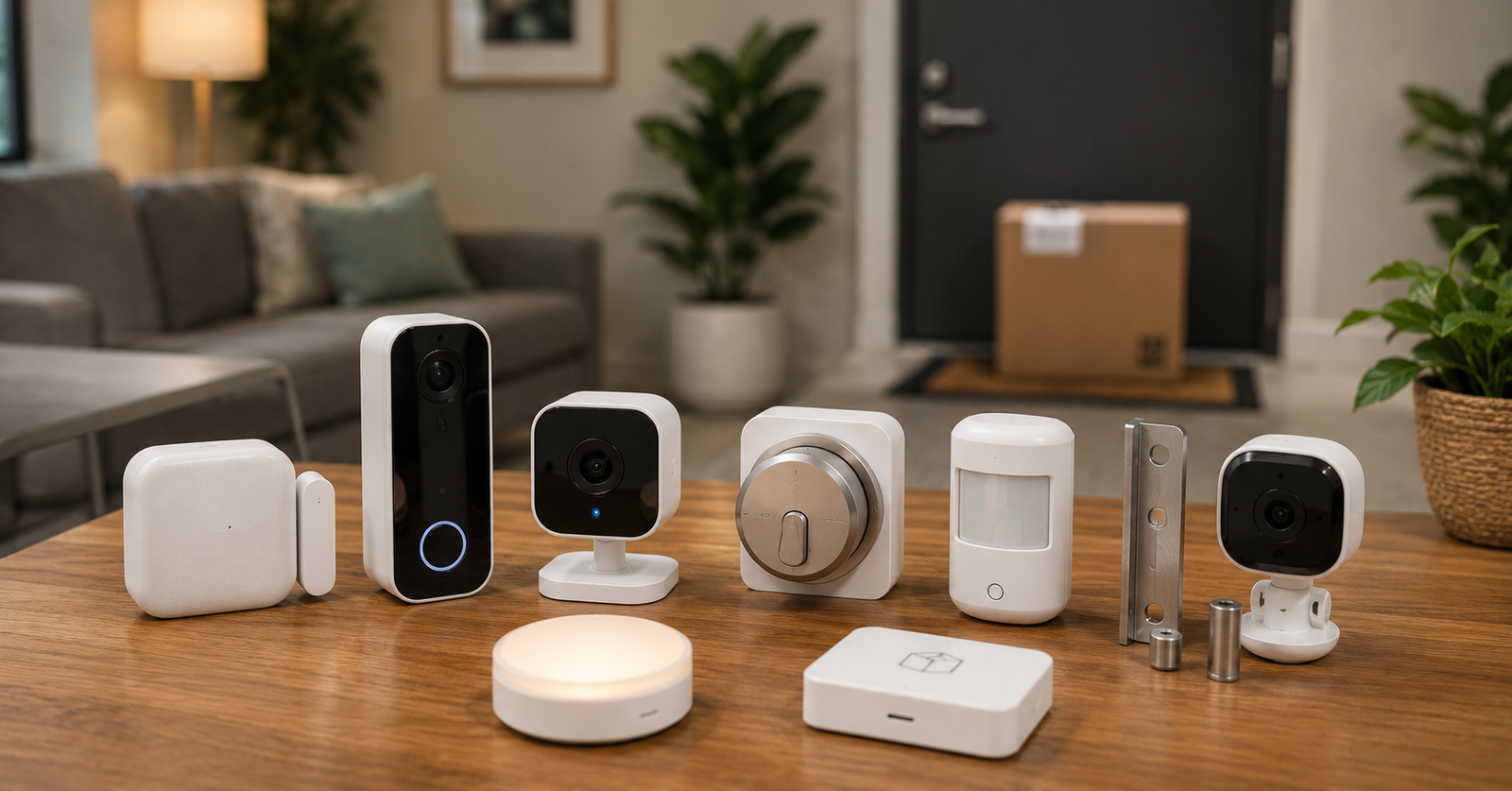
- Battery-powered video doorbells that mount without wiring
- Portable motion sensor alarms placed on doors and windows
- Wi-Fi cameras with adhesive mounts instead of screws
- Smart plugs that control lights remotely to simulate occupancy
These smart home security systems are designed to be moved easily when you relocate, without damaging rental property. (Internal link opportunity: link to your “Home Security Tips” article here.)
4. Best Smart Home Security Systems for Homeowners
Homeowners have more flexibility to invest in comprehensive, permanent security setups.
- Full CCTV camera networks covering all entry points
- Smart locks integrated with home automation systems
- Professionally monitored alarm systems with 24/7 response
- Integrated systems combining cameras, sensors, and alarms in one app
Since homeowners aren’t restricted by rental agreements, these smart home security systems offer more comprehensive, long-term protection.
5. Key Features to Look for in a Security System
Not all systems offer the same value, so it helps to know what features matter most.
- Mobile app control: Essential for remote monitoring and alerts
- Two-way audio: Allows communication through doorbells and cameras
- Cloud or local storage: Determines how footage is saved and accessed
- Battery backup: Ensures the system works even during power cuts
- Easy installation: Especially important for renters or DIY setups
Prioritising these features ensures you choose smart home security systems that actually meet your daily needs.
6. Budget Considerations for Smart Security Systems
Security doesn’t have to be expensive, but understanding cost factors helps you plan better.
- Basic single-camera setups are the most affordable entry point
- Multi-camera systems with monitoring cost more but offer complete coverage
- Subscription fees for cloud storage or professional monitoring add ongoing costs
- DIY installation saves significantly compared to professional setup fees
Balancing upfront costs with ongoing subscription fees helps you choose a system that fits your long-term budget.
7. Installation Tips for Renters
If you’re renting, a few precautions ensure your security setup doesn’t cause issues with your landlord.
- Choose adhesive or magnetic mounts instead of drilling
- Keep original packaging to reinstall in a new home easily
- Check rental agreements before installing any permanent devices
- Opt for battery-powered devices to avoid rewiring concerns
Following these tips helps renters enjoy strong security without violating lease terms.
8. Integrating Security with Smart Home Automation
Modern smart home security systems work best when integrated with broader home automation.
- Connect security cameras with smart lighting for automated responses
- Use voice assistants to arm or disarm systems hands-free
- Set automated routines like locking doors at specific times
- Combine security alerts with smart notifications on multiple devices
This integration creates a more responsive, convenient, and genuinely smart living environment. (Internal link opportunity: link to your “2026 Interior Design Trends” article here.)
Frequently Asked Questions
Q1. What are the best smart home security systems for renters? Wireless, battery-powered devices like video doorbells and portable motion sensors are ideal since they require no permanent installation.
Q2. Do smart home security systems require professional installation? Many wireless systems are designed for easy DIY installation, while wired systems typically need professional setup.
Q3. Are smart home security systems expensive to maintain? Basic systems have minimal ongoing costs, though cloud storage or professional monitoring may involve subscription fees.
Q4. Can I take my smart security system with me when I move? Yes, wireless and battery-powered systems are specifically designed to be easily uninstalled and reinstalled elsewhere.
Q5. What features should I prioritise in a smart home security system? Mobile app control, two-way audio, reliable storage options, and easy installation are the most important features to look for.
Q6. Do smart home security systems work during power outages? Systems with battery backup continue functioning during power cuts, so this feature is worth prioritising.
Conclusion
Choosing the right smart home security systems comes down to understanding your living situation, whether you’re renting or own your home, and identifying which features matter most to you. From simple wireless cameras to fully integrated setups, there’s a suitable option for every budget and need.
Assess your specific requirements today, and start building a safer home with a security system that truly fits your lifestyle.