Not sure if your roof needs a quick fix or a full replacement? Recognizing roof replacement signs early can save you thousands in unexpected repairs and prevent structural damage to your home. Many homeowners delay action because a roof “looks fine” from the ground, but underlying issues often go unnoticed until it’s too late. This guide covers the clearest roof replacement signs to watch for, helping you make an informed decision before a small problem turns into a costly emergency.
Why Recognizing Roof Replacement Signs Matters
Ignoring early roof replacement signs often leads to bigger, more expensive problems down the line. What starts as a minor leak can quickly escalate into structural damage, mold growth, or damaged insulation.
Catching these signs early helps you:
- Avoid emergency repairs during monsoon season
- Prevent water damage to ceilings, walls, and furniture
- Protect your home’s structural integrity
- Save money by replacing at the right time, rather than reactively
A roof typically lasts 20-25 years depending on materials and maintenance, but several warning signs can appear well before that timeline if something’s wrong.
Sign #1: Frequent and Recurring Leaks
If you find yourself calling a repairman every few months for the same leak, that’s one of the clearest roof replacement signs. Repeated leaks usually indicate that the roofing material has deteriorated beyond simple patching.
- Water stains that keep reappearing after repairs
- Leaks in multiple different spots around the house
- Mold or mildew smell in the attic or top floor rooms
Tip: If repair costs over the past year exceed 30% of a full replacement estimate, replacement is usually the smarter long-term investment.
Sign #2: Visible Sagging or Drooping
A sagging roofline is one of the most serious roof replacement signs, often pointing to structural damage rather than a surface-level issue.
- Stand back and look at your roofline from the street — it should appear straight and even
- Sagging near the ridge or edges suggests weakened support beams
- Sagging is often caused by prolonged water damage or excess weight from debris
This is not a sign to wait on. A sagging roof can be a safety hazard and typically requires professional assessment immediately.
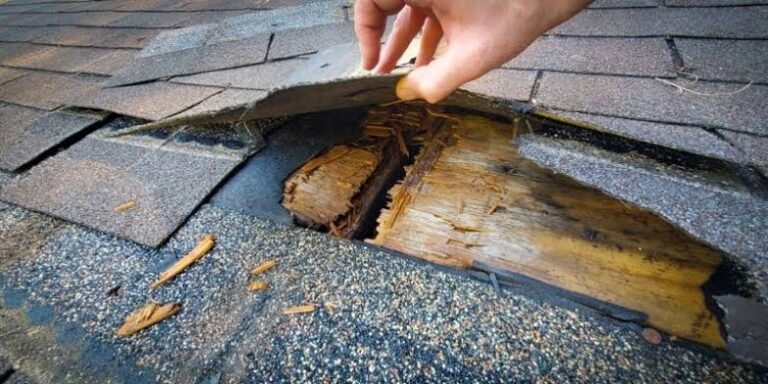
Sign #3: Missing, Cracked, or Curling Shingles
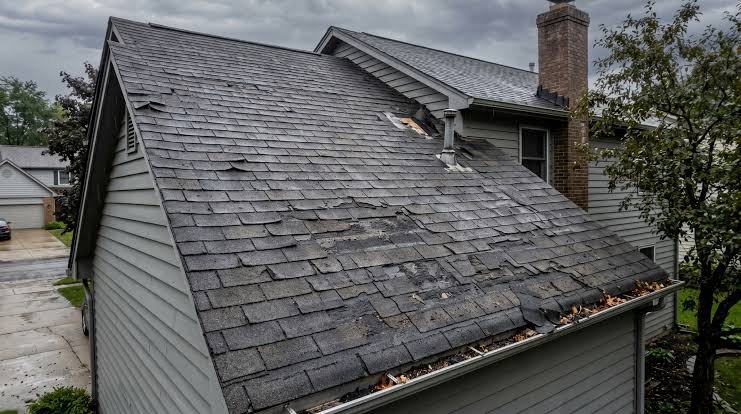
Damaged shingles are among the most visible roof replacement signs, especially after storms or heavy rain.
Look out for:
- Shingles that are cracked, curling at the edges, or missing entirely
- Granules collecting in gutters (a sign shingles are breaking down)
- Bald spots where the protective coating has worn away
- Shingles that feel brittle or crumble when touched
If damage is isolated to a small area, repair may work. But widespread shingle damage across the roof usually signals it’s time for a full replacement.
(Internal link opportunity: link to a related article on “Average Roof Replacement Cost Guide 2026”)
Sign #4: Daylight Visible Through the Roof Boards
If you can see daylight coming through your attic or roof boards, this is one of the most alarming roof replacement signs. It indicates gaps or holes that allow water, pests, and cold air to enter.
- Check your attic during daytime with the lights off
- Look for any visible light streaming through cracks or gaps
- Even small gaps can lead to significant water damage over time
This issue often accompanies rising energy bills, since gaps compromise your home’s insulation efficiency.
Sign #5: Rising Energy Bills
An often-overlooked roof replacement sign is a sudden or gradual increase in your electricity bills. Damaged roofing reduces insulation efficiency, forcing your cooling or heating systems to work harder.
- Compare your energy bills year-over-year for unusual spikes
- Check if certain rooms feel noticeably hotter or colder than others
- Inspect attic insulation for moisture damage, which reduces its effectiveness
If your roof is compromising energy efficiency, replacement often pays for itself through long-term utility savings.
(Internal link opportunity: link to a related article on “Seasonal Home Maintenance Checklist: What to Do Every 3 Months”)
Sign #6: Roof Age Exceeding Its Lifespan
Even without visible damage, an aging roof is one of the most important roof replacement signs to consider. Most roofing materials have a defined lifespan:
- Asphalt shingles: 20-25 years
- Metal roofing: 40-50 years
- Concrete tiles: 30-50 years
- Flat/RCC roofs: 15-20 years before major waterproofing is needed
If your roof is approaching or has exceeded its expected lifespan, proactive replacement is often more cost-effective than reactive repairs.
Sign #7: Moss, Algae, or Mold Growth
Excessive moss or algae growth is a subtle but important roof replacement sign, especially in humid climates. This growth traps moisture against roofing materials, accelerating decay.
- Green or black streaks across the roof surface
- Moss buildup in shaded or low-lying areas
- Persistent dampness even after dry weather
While light growth can sometimes be cleaned, extensive coverage often indicates the roofing material has already been compromised underneath.
Frequently Asked Questions
1. How do I know if my roof needs replacement or just repair? If leaks are recurring, shingles are widespread damaged, or the roof has exceeded its material lifespan, replacement is usually more cost-effective than repeated repairs.
2. What is the average lifespan of a roof? Most roofs last between 20-25 years, though this varies by material — metal roofs can last 40-50 years with proper maintenance.
3. Can a sagging roof be repaired instead of replaced? A sagging roof usually indicates structural damage and typically requires replacement rather than a simple repair, especially if the sag is significant.
4. Does roof replacement help reduce energy bills? Yes, a damaged roof compromises insulation, and replacing it often improves energy efficiency, leading to noticeable savings on utility bills.
5. How much does a roof replacement typically cost? Costs vary based on material, roof size, and location, but it’s advisable to get multiple quotes from licensed roofing contractors for an accurate estimate.
6. Is moss growth on a roof a serious problem? Light moss can often be cleaned, but extensive growth traps moisture and can accelerate roofing material decay, sometimes requiring replacement.
Conclusion
Spotting roof replacement signs early — whether it’s recurring leaks, sagging, damaged shingles, or rising energy bills — can save you from costly emergency repairs down the line. A proactive approach not only protects your home’s structural integrity but also improves energy efficiency and long-term value. If you’ve noticed any of these warning signs, it’s worth getting a professional roof inspection sooner rather than later. Ready to assess your roof’s condition? Explore our related guides on maintenance checklists and replacement cost estimates to plan your next steps confidently.