Wondering how long your roof will actually last before it needs attention? Roof lifespan depends heavily on the material used, local climate, and how well it’s maintained over the years. Knowing the expected roof lifespan for your specific roofing type helps you plan budgets, schedule maintenance, and avoid unexpected surprises. In this guide, we’ll break down the average roof lifespan by material, the factors that affect it, and practical tips to help your roof last as long as possible.
Why Roof Lifespan Varies So Much
Not all roofs are built the same, which is why roof lifespan can range anywhere from 15 to 50 years. Material quality, installation standards, and environmental exposure all play a role.
Key factors that influence roof lifespan include:
- Quality of materials used during installation
- Local climate — heavy rainfall, heat, or humidity accelerate wear
- Roof slope and drainage design
- Frequency of maintenance and inspections
- Ventilation quality in the attic space
Understanding these variables helps homeowners set realistic expectations rather than assuming every roof performs the same way.
Asphalt Shingle Roof Lifespan
Asphalt shingles are among the most common roofing materials, known for their affordability and moderate roof lifespan.
- Average lifespan: 20-25 years
- Performs well in moderate climates but degrades faster under intense heat
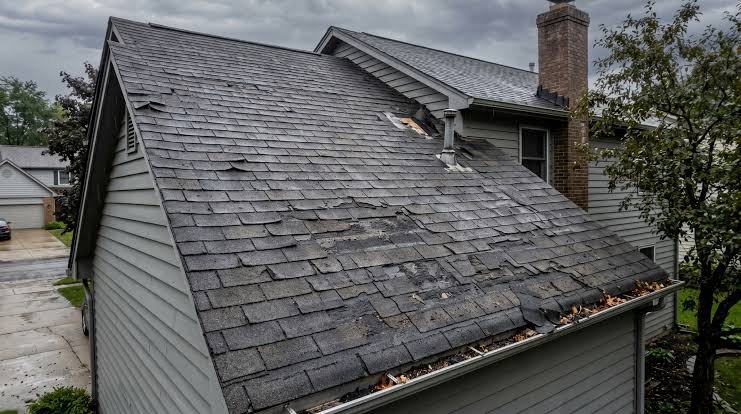
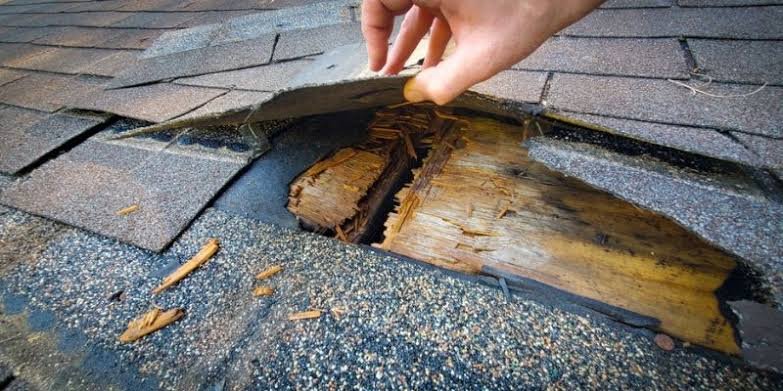
- Requires periodic inspection for curling, cracking, or granule loss
- Cost-effective option for budget-conscious homeowners
Tip: Proper attic ventilation can extend asphalt shingle roof lifespan by preventing heat buildup that accelerates material breakdown from underneath.
Metal Roofing Lifespan
Metal roofs offer one of the longest roof lifespans among common materials, making them a popular long-term investment despite higher upfront costs.
- Average lifespan: 40-50 years
- Highly resistant to extreme weather, including heavy rain and strong winds
- Reflects heat effectively, which can reduce cooling costs
- Requires minimal maintenance compared to other materials
Metal roofing is increasingly popular in regions with heavy monsoon rainfall due to its excellent water-shedding properties and long-term durability.
(Internal link opportunity: link to a related article on “Signs You Need a Roof Replacement, Not Just a Repair”)
Concrete and Clay Tile Roof Lifespan
Concrete and clay tiles are known for their durability, contributing to one of the longer roof lifespans available.
- Average lifespan: 30-50 years
- Excellent resistance to fire, pests, and rot
- Heavier material requiring strong structural support
- Common in traditional and coastal homes for their heat resistance
While individual tiles can crack over time, the overall roofing system tends to remain functional for decades with occasional tile replacement.
Flat and RCC Roof Lifespan
Flat roofs and RCC (reinforced cement concrete) roofs are common in urban homes and apartments, but they generally have a shorter roof lifespan compared to sloped roofing systems.
- Average lifespan: 15-20 years before major waterproofing is required
- Prone to water pooling if drainage isn’t properly designed
- Requires periodic waterproofing treatments to extend usability
- Common choice for terraces and multi-story buildings
Regular waterproofing maintenance every 5-7 years can significantly extend the effective lifespan of flat and RCC roofs.
(Internal link opportunity: link to a related article on “Average Roof Replacement Cost Guide 2026”)
Wooden Shingle and Shake Roof Lifespan
Wooden roofing offers a distinct aesthetic appeal, though its roof lifespan tends to be shorter than metal or concrete alternatives.
- Average lifespan: 25-30 years with proper maintenance
- Requires regular treatment against moisture, pests, and mold
- Not ideal for extremely humid or rainy climates without protective coatings
- Offers excellent natural insulation properties
Wooden roofs demand more consistent upkeep, but with the right maintenance routine, they can perform reliably for decades.
Factors That Can Shorten Roof Lifespan
Even the most durable roofing material can underperform its expected roof lifespan if these factors aren’t addressed:
- Poor installation by inexperienced contractors
- Lack of regular inspections and maintenance
- Inadequate attic ventilation causing heat and moisture buildup
- Clogged gutters leading to water pooling and damage
- Ignoring minor repairs until they become major issues
Addressing these factors proactively can help any roofing material reach — or even exceed — its expected lifespan.
How to Extend Your Roof’s Lifespan
Regardless of material, a few consistent habits can help maximize roof lifespan across the board.
- Schedule professional inspections at least once a year
- Clean gutters and downspouts regularly to prevent water buildup
- Trim overhanging branches that can damage roofing materials
- Address minor leaks or damage immediately, rather than delaying repairs
Small, consistent maintenance efforts often make a bigger difference in roof lifespan than reactive, large-scale repairs.
Frequently Asked Questions
1. Which roofing material has the longest lifespan? Metal roofing typically has the longest lifespan, averaging 40-50 years, followed closely by concrete and clay tiles.
2. How long does an asphalt shingle roof last? Asphalt shingle roofs generally last between 20-25 years, depending on climate conditions and maintenance quality.
3. Does climate affect roof lifespan? Yes, extreme heat, heavy rainfall, and humidity can significantly reduce roof lifespan if the material isn’t suited to local weather conditions.
4. How can I extend the lifespan of my roof? Regular inspections, gutter cleaning, proper ventilation, and timely minor repairs are the most effective ways to extend roof lifespan.
5. Is a flat roof less durable than a sloped roof? Flat and RCC roofs generally have a shorter lifespan of 15-20 years due to water pooling risks, compared to sloped roofs with better drainage.
6. How often should I inspect my roof? It’s recommended to have a professional roof inspection at least once a year, and after any major storm or heavy rainfall event.
Conclusion
Understanding roof lifespan by material helps you plan maintenance, budget for future replacement, and choose the right roofing option for your climate and needs. While metal and concrete tile roofs offer the longest durability, even shorter-lifespan materials like asphalt shingles can perform well with consistent care. The key is regular inspection and timely maintenance, regardless of which material you choose. Not sure how much life is left in your current roof? Check out our related guides on replacement signs and cost estimates to plan your next steps with confidence.