
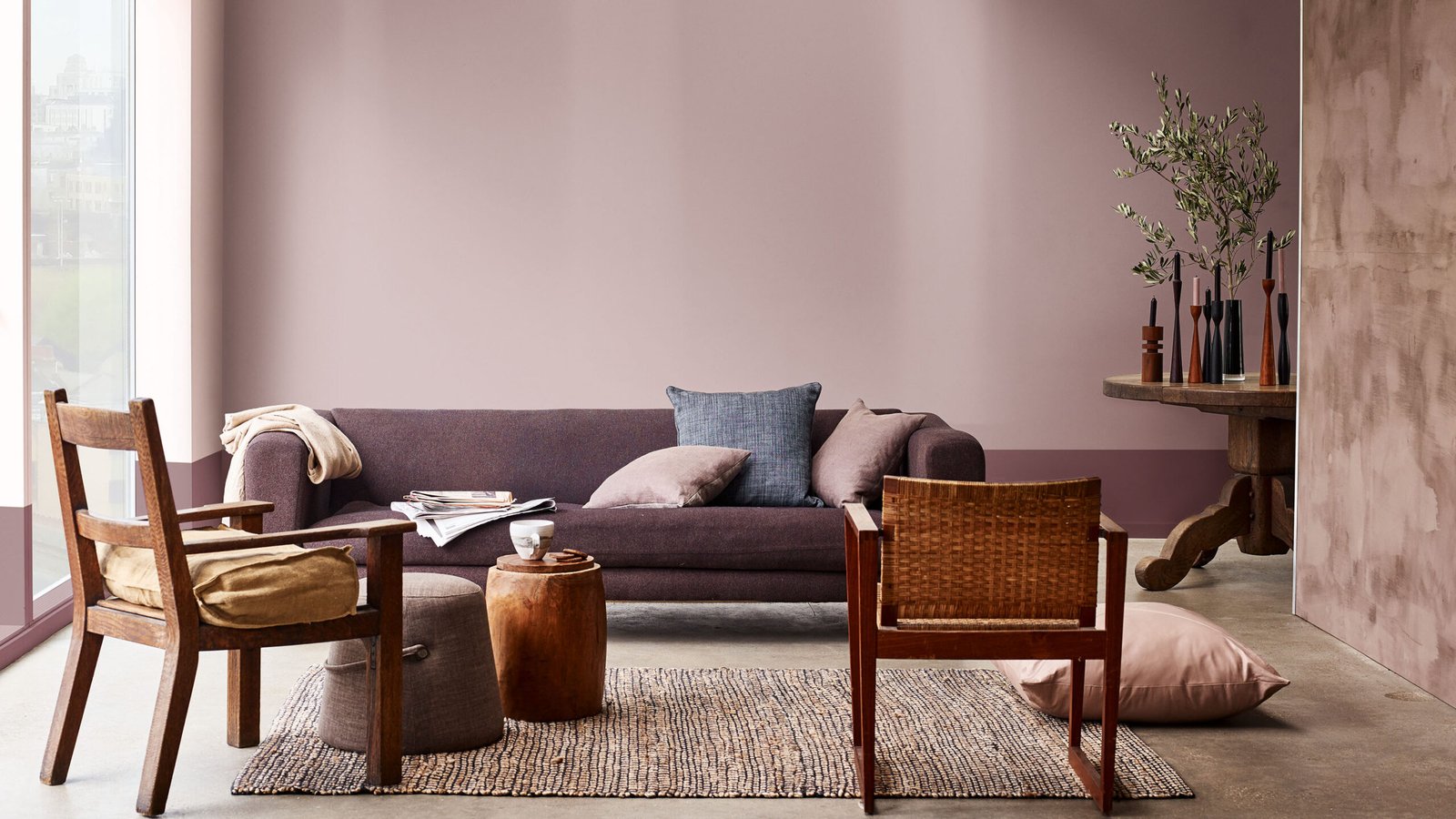
Staring at hundreds of paint swatches and feeling completely overwhelmed? Knowing how to choose paint color correctly can transform a room, but the wrong choice can make even a beautiful space feel off.
Many homeowners pick colours based on trends alone, without considering lighting, room size, or existing furniture. Learning how to choose paint color thoughtfully ensures your final result feels intentional and cohesive.
In this guide, we’ll walk through practical tips for selecting the right paint colour for every room, based on function, lighting, and personal style.
1. Understand the Psychology of Colour
Before picking a shade, it helps to understand how different colours affect mood and perception.
- Blues and greens create calming, relaxing atmospheres
- Yellows and oranges bring energy and warmth to a space
- Reds can feel bold and stimulating, best used sparingly
- Neutrals like beige and grey offer versatile, timeless appeal
Understanding this psychology is the foundation of how to choose paint color that suits each room’s intended purpose.
2. Consider the Room’s Natural Lighting
Lighting dramatically affects how paint colours appear, making this a crucial factor in your decision.
- North-facing rooms often receive cooler, softer light
- South-facing rooms typically get warmer, brighter natural light
- Rooms with limited natural light may need lighter shades to feel bright
- Always test paint samples at different times of day before finalising
Testing colours under your room’s actual lighting conditions prevents unpleasant surprises after painting.
3. Choosing Paint Colors for Living Rooms
Living rooms are shared spaces that benefit from versatile, welcoming colour choices.
- Warm neutrals like beige or soft taupe create an inviting atmosphere
- Soft blues or greens work well for a calm, relaxed feel
- Consider an accent wall for visual interest without overwhelming the space
- Coordinate with existing furniture and flooring tones
Living room colours should balance personal style with broad appeal, since this space often hosts guests. (Internal link opportunity: link to your “Small Living Room Decorating Ideas” article here.)
4. Choosing Paint Colors for Bedrooms
Bedrooms benefit from calming colours that support rest and relaxation.
- Soft blues and greens promote a peaceful sleeping environment
- Muted lavender or grey tones create a soothing atmosphere
- Avoid overly bright or bold colours that can feel stimulating
- Consider darker accent walls behind the headboard for cosiness
Since bedrooms are personal retreats, prioritising comfort over trends is key to a lasting choice.
5. Choosing Paint Colors for Kitchens
Kitchens work well with colours that feel clean, energising, and easy to maintain.
- Whites and light neutrals create a bright, spacious feel
- Soft yellows add warmth without overwhelming the space
- Consider durable, washable paint finishes for high-traffic areas
- Coordinate wall colour with cabinet and countertop tones
Choosing practical, easy-to-clean finishes matters as much as colour selection in kitchen spaces. (Internal link opportunity: link to your “Interior vs Exterior Paint” article here.)
6. Choosing Paint Colors for Bathrooms
Bathrooms benefit from fresh, clean colours that also handle moisture well.
- Light blues and greens create a spa-like, calming feel
- Whites and soft greys keep the space feeling clean and bright
- Always choose moisture-resistant paint formulated for bathrooms
- Avoid dark colours in small bathrooms, as they can feel cramped
Selecting the right finish is just as important as colour when it comes to bathroom durability.
7. Using Paint Color to Enhance Small Spaces
Smaller rooms need thoughtful colour choices to avoid feeling cramped or closed in.
- Light, neutral colours make small rooms feel more open
- Avoid overly dark shades that can visually shrink a space
- A monochromatic colour scheme creates a sense of flow
- Adding a lighter ceiling colour can enhance perceived height
Understanding how to choose paint color for small spaces is essential for creating an airy, comfortable feel.
8. Testing and Finalising Your Paint Choice
Before committing to a full room, testing ensures your final choice truly works in your space.
- Purchase small sample pots before buying full quantities
- Paint sample swatches directly on walls, not just paper
- View samples in both natural and artificial lighting
- Live with samples for a few days before finalising your decision
This careful testing process is the final, crucial step in how to choose paint color confidently. (Internal link opportunity: link to your “2026 Interior Design Trends” article here.)
Frequently Asked Questions
Q1. How do I choose the right paint color for a small room? Light, neutral colours generally work best for small rooms, as they create an open, airy feel without shrinking the space visually.
Q2. Does natural lighting affect paint color choice? Yes, natural lighting significantly changes how paint colours appear, so testing samples under actual room lighting is essential.
Q3. What paint colors work best for bedrooms? Calming shades like soft blues, greens, or muted lavender are ideal for creating a restful bedroom atmosphere.
Q4. Should I test paint samples before buying full cans? Yes, always test small sample pots on your actual walls and view them at different times of day before committing.
Q5. How can I choose a paint color that matches my furniture? Consider your existing furniture and flooring tones, choosing wall colours that complement rather than clash with them.
Q6. What’s the best paint finish for high-traffic areas like kitchens? Washable, durable finishes work best in kitchens and other high-traffic areas, as they handle cleaning and wear more effectively.
Conclusion
Learning how to choose paint color thoughtfully makes all the difference between a room that feels random and one that feels genuinely well-designed. From understanding lighting and room function to testing samples properly, each step brings you closer to the right choice.
Start by testing a few sample colours in your space today, and take your time before committing to the shade that truly transforms your room.