Some homes make an impression the moment you walk through the door. It might be the way sunlight falls across a wooden floor, the quiet confidence of a beautifully proportioned staircase, or the feeling that every room belongs exactly where it is. These spaces don’t necessarily rely on expensive materials or dramatic decorations. Their appeal often comes from something harder to define: a sense of balance, character, and careful thought.
Creating an interior that feels this way takes more than following the latest design trends. It involves understanding how people live, recognizing the potential of a building, and making choices that will continue to feel right as tastes and routines change. A home should look good, naturally, but it should also work well on an ordinary Tuesday morning when everyone’s getting ready and there’s barely enough time for coffee.
Why Lasting Design Begins With Good Decisions
It’s tempting to begin a renovation by choosing paint colors, browsing furniture, or saving photographs of beautiful rooms. Inspiration is useful, but the more important questions often come first. What isn’t working in the current space? Where does the family gather? Is there enough storage? Does the house feel dark in the afternoon, or does the layout make everyday movement unnecessarily awkward?
Answering these questions establishes a practical foundation for the design. A spacious kitchen may look impressive, but if the cooking area is poorly arranged, it can quickly become frustrating. A beautiful living room might photograph well while offering very little comfortable seating. Design decisions need to account for both appearance and use.
This is where timeless style becomes more than a question of choosing classic colors or traditional furniture. It’s about creating spaces that remain useful and appealing without needing constant updates. Natural materials, balanced proportions, thoughtful lighting, and comfortable furniture can provide a lasting foundation, while smaller decorative elements allow the interior to evolve over time.
There’s still room for personality, of course. A home doesn’t need to look neutral or restrained to age well. The important thing is to make deliberate choices rather than treating every passing trend as a reason to start over.
Understanding the Character of a Building
Every property has its own personality. An older home might feature original timber floors, decorative moldings, unusual window shapes, or architectural details that would be difficult to reproduce today. A newer property may offer open spaces, cleaner lines, and the flexibility to shape rooms around contemporary living.
Good design recognizes these differences rather than forcing every building into the same visual style. In an older house, preserving a beautiful original feature can give the entire interior a stronger sense of identity. In a modern home, carefully chosen textures and warm finishes can prevent clean architectural lines from feeling cold.
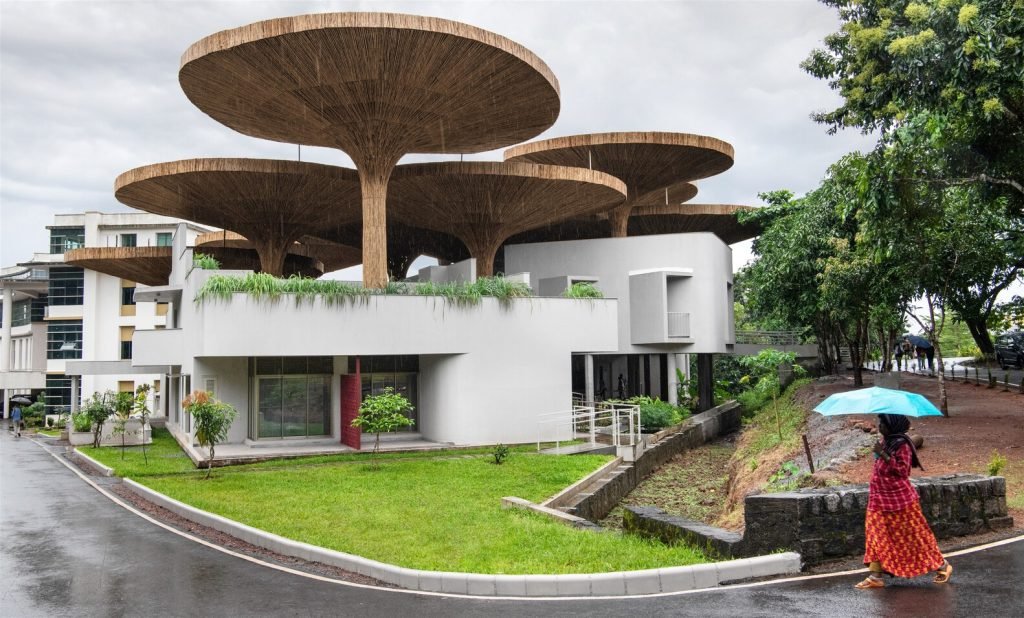
Distinctive architecture often emerges from the relationship between a building’s structure and the way its spaces are experienced. Window placement influences daylight, ceiling height affects the sense of scale, and doorways shape the movement between rooms. These aren’t merely technical details; they influence how people feel inside the property.
Before removing a wall or covering an original feature, consider what that element contributes. Sometimes a seemingly awkward corner can become a reading nook, or an old cabinet can be restored and used as a focal point. Not every feature deserves preservation, but each deserves a closer look before being discarded.
Bringing Materials and Textures Together
Materials have a remarkable ability to change the atmosphere of a room. Timber can introduce warmth, stone brings visual weight, and fabrics soften hard surfaces. Metal details may add definition, while glass can help light travel through a space.
The challenge is choosing combinations that feel connected. A room with too many competing finishes can seem busy, even when every individual item is attractive. On the other hand, using only one material or texture throughout may leave the space feeling flat.
A useful approach is to begin with a few foundational finishes and build from there. For example, warm timber flooring might work well with neutral upholstery, textured curtains, and subtle metal accents. Artwork or a colorful armchair can then provide contrast without overwhelming the room.
Lighting should be considered alongside these materials. A fabric that looks soft and inviting in daylight may appear cooler beneath a different bulb. Glossy surfaces can reflect light beautifully, but too many reflections may become distracting in certain rooms. Whenever possible, test samples in the actual space before making a final decision.
Practicality matters just as much. Family rooms, kitchens, and hallways experience considerable daily wear, so finishes should be selected with cleaning, durability, and maintenance in mind. A beautiful surface that becomes difficult to care for may not be the right choice for a busy household.
Creating Rooms That Feel Connected
A well-designed home doesn’t need identical colors and furniture in every room. Instead, the spaces should share enough visual connections to feel like parts of the same whole.
Those connections might come from recurring wood tones, similar metal finishes, a consistent approach to lighting, or colors that gradually shift from one room to the next. The living room could use warm beige and muted green, for instance, while the adjoining dining area introduces a deeper shade of green through its chairs or artwork.
Layout plays an equally important role. Walkways should feel natural, furniture shouldn’t obstruct doors, and people should be able to move between rooms without constantly navigating around obstacles. Even small changes, such as repositioning a chair or selecting a narrower console table, can make a space noticeably easier to use.
Storage is another part of the picture. Everyday belongings need sensible places to go, especially in homes where several people share the same rooms. Closed cabinetry can keep clutter out of sight, while open shelves provide room for books, collected objects, and pieces with personal meaning.
The goal isn’t to eliminate every sign of daily life. It’s to create enough order that the things you genuinely enjoy can stand out.
The Value of Careful Planning and Execution
A promising design concept can lose its impact if the practical details aren’t handled properly. Measurements, installation schedules, material availability, lighting plans, and coordination between contractors all influence the finished result.
For a larger renovation, decisions about electrical points, plumbing, flooring, and built-in furniture should be addressed early. Changing these elements after the finishing work has begun can lead to additional expense and unnecessary disruption. A clear plan helps everyone understand how the different parts of the project fit together.
It’s also wise to establish priorities before setting the budget. Structural repairs and essential improvements generally deserve attention before decorative purchases. Quality furniture and durable materials can be introduced according to the needs of each room, rather than buying everything at once simply to complete the look.
Some design projects are memorable because of their scale, while others stand out through the care invested in a relatively small space. Both can be meaningful when the decisions are purposeful. Well-considered projects of distinction demonstrate how architecture, furnishings, finishes, and practical planning can combine to create an interior with its own identity.
The real achievement isn’t making a home look impressive for a photograph. It’s ensuring that the finished space feels coherent and comfortable once the installers have left and everyday life begins again.
Making Space for Personal Meaning
A home should reflect the people who live in it, not just the preferences of a designer or the images circulating online. A favorite painting, a handmade object, a family heirloom, or a collection gathered during travels can give an interior a character that newly purchased accessories rarely provide on their own.
These personal details don’t need to be displayed everywhere. Sometimes one meaningful object, placed where it can be appreciated, has more impact than an entire shelf of decorations. Leave a little breathing room around special pieces and let their stories become part of the space.
It’s also worth accepting that a home changes over time. Families grow, work arrangements shift, and personal tastes develop. Flexible furniture, sensible storage, and adaptable room layouts make it easier to accommodate those changes without beginning another major renovation.
Designing for the Years Ahead
Beautiful interiors aren’t created by choosing every detail perfectly on the first attempt. They’re shaped by observation, careful planning, and a willingness to consider how design decisions affect everyday life.
Start with the building itself, understand the needs of the people who live there, and select materials that balance appearance with durability. Pay attention to lighting, movement, and storage, then bring in the personal details that make the rooms feel unmistakably yours.
Trends will continue to change, and that’s part of the fun of design. But a home built around comfort, character, and thoughtful choices doesn’t need to chase every new idea. It simply needs to feel right for the people who call it home.

