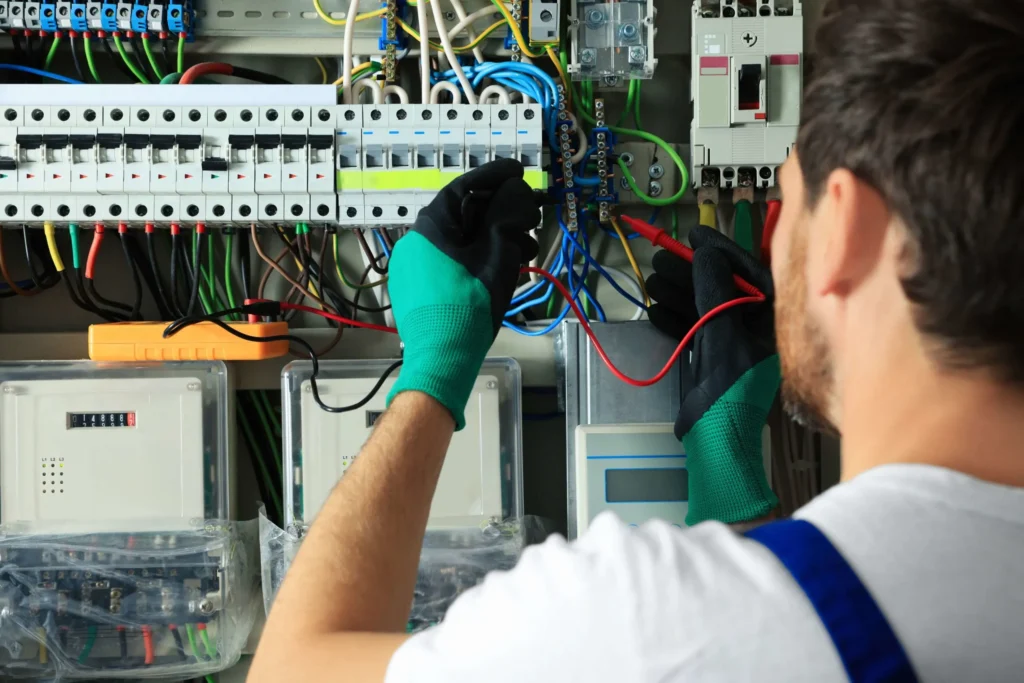
Electricity is one of those things we rarely think about when everything works as it should. Lights switch on, appliances run, and the outlets around the house do their job without much fuss. But when a breaker keeps tripping, a light begins flickering, or an outlet feels unusually warm, it quickly becomes clear how much we depend on a safe electrical system.
Whether you’re renovating a home, opening a business, or dealing with an unexpected electrical issue, finding the right professional matters. Electrical work isn’t just about getting power back on. It’s about protecting people, preventing equipment damage, and making sure a property’s wiring can handle the demands of everyday life.
A qualified electrician can help identify problems, recommend sensible improvements, and complete work according to applicable electrical codes. Knowing what to look for makes the process less stressful and helps you make a decision based on quality rather than price alone.
Why Professional Electrical Work Matters
Modern properties use more electricity than they once did. Televisions, computers, kitchen appliances, heating and cooling systems, security equipment, and electric vehicle chargers can all add to the load on an electrical system. Older wiring may not have been designed for today’s demands, particularly when several high-powered appliances operate at the same time.
Warning signs shouldn’t be ignored. Flickering lights, frequently tripping breakers, buzzing sounds, burning smells, or discolored outlets can indicate an electrical problem. Some causes are relatively straightforward, while others may involve overloaded circuits, damaged wiring, or faulty connections.
Never assume that repeatedly resetting a breaker will solve the issue. A breaker is designed to interrupt power when it detects a potentially unsafe condition. If it keeps tripping, the underlying cause needs to be investigated.
Electrical work also involves risks that aren’t always visible. Incorrect connections or unsuitable components can create hazards behind walls and inside electrical panels. Professional assessment helps uncover problems and ensures repairs are carried out using appropriate methods and materials.
Finding an Electrician for Homes and Businesses
Not every electrical project has the same requirements. Installing a ceiling fan in a home differs from upgrading a commercial distribution panel or adding circuits to a busy workshop. Choosing someone with experience relevant to the job can make a real difference.
A commercial & residential electrician may handle a range of projects, from household lighting and outlet repairs to electrical upgrades for offices and retail spaces. However, it’s worth confirming that the electrician has the appropriate qualifications, licensing, insurance, and experience for your specific project.
Residential customers often need help with practical improvements. These might include adding outlets, replacing outdated fixtures, installing bathroom exhaust fans, upgrading lighting, or preparing a property for new appliances. During a renovation, an electrician can also help determine whether existing circuits can safely accommodate the planned changes.
Commercial properties have different priorities. Businesses may need to minimize downtime, maintain appropriate lighting, support specialized equipment, or plan work around operating hours. Electrical requirements can also vary by building type and the equipment being used.
Before hiring anyone, describe the project clearly and ask how similar work has been handled in the past. A straightforward conversation can reveal whether the professional understands your needs and can explain the proposed work in plain language.
Electrical Upgrades for Today’s Homes
Many homes were built when household electrical demand was considerably lower. Over time, additional appliances and renovations can place new demands on the original installation. That doesn’t automatically mean an older home needs complete rewiring, but it does make an electrical assessment worthwhile when problems appear or major changes are planned.
One common project is improving lighting. Modern LED fixtures can provide useful illumination with relatively low energy consumption, and thoughtful placement can make kitchens, hallways, work areas, and outdoor spaces more comfortable. Dimmer controls and properly selected fixtures may offer additional flexibility.
Adding outlets is another practical improvement. People sometimes rely on extension cords because there aren’t enough conveniently located receptacles. Permanent outlets installed by a qualified electrician can offer a safer, more suitable arrangement for everyday use.
Other projects may include installing dedicated circuits for appliances, upgrading an electrical panel when necessary, or adding suitable protection in locations where moisture presents a risk. The correct approach depends on the property’s existing wiring, local code requirements, and the equipment being installed.
If you’re planning a renovation, involve an electrician early rather than waiting until the walls are finished. It’s usually easier to plan wiring, lighting positions, and circuit requirements before construction reaches the final stages.
Reliable Electrical Services for Everyday Needs
Electrical problems rarely arrive at a convenient time. A business might lose lighting in a work area, a homeowner may discover a faulty outlet before guests arrive, or an appliance installation could reveal that an existing circuit isn’t suitable.
Access to reliable electrical services means having a professional who communicates clearly, investigates the issue, and explains the available options. Reliability also includes arriving when agreed, following safety procedures, using suitable materials, and completing work in accordance with applicable requirements.
Good service doesn’t necessarily mean replacing every component that looks old. A careful electrician should assess the problem and explain whether repair, replacement, or a broader upgrade makes the most sense. If several options are available, you should understand the differences in cost, performance, and expected lifespan.
Written estimates are helpful because they outline the work being proposed. Ask whether the price includes materials, labor, permits where required, and any necessary follow-up inspection. If unexpected problems are discovered after work begins, a professional should explain them before proceeding with additional work whenever practical.
For businesses, dependable scheduling and clear communication are particularly valuable. A well-organized electrical project can help limit interruptions and make it easier to coordinate other contractors or building maintenance.
Safety Should Always Come First
Electrical safety is not an area where shortcuts pay off. Replacing a cover plate is very different from working inside a live electrical panel, and homeowners should avoid attempting work beyond their knowledge and legal permissions.
If you notice a burning odor, smoke, sparks, or an outlet that becomes hot, stop using the affected equipment or outlet and seek qualified assistance. If there is smoke or an active fire, leave the area and contact emergency services. Don’t touch exposed wires or attempt to investigate damaged electrical equipment yourself.
Routine inspections can also be useful, particularly in older properties, buildings undergoing renovation, or locations where electrical demand has increased. An inspection may identify damaged components, unsuitable modifications, or areas that need attention.
For businesses, appropriate maintenance can help identify potential issues before they interfere with operations. Emergency lighting, protective devices, equipment connections, and electrical panels should receive attention based on the building’s use and applicable safety requirements.
What to Ask Before Hiring
A little preparation can help you choose an electrician with confidence. Start by asking about licensing or registration requirements in your area, insurance coverage, and experience with the type of work involved. Depending on the project, permits or inspections may also be necessary.
Request a written estimate that describes the work, materials, expected schedule, and payment terms. You can also ask whether the electrician will handle required permits and arrange any inspections. For larger projects, it may be useful to compare more than one detailed estimate rather than choosing solely on the lowest price.
Pay attention to communication. A professional should be willing to answer reasonable questions without relying on confusing technical language or pressuring you into immediate decisions. Be cautious of vague pricing, unexplained recommendations, or promises that seem unrealistic.
Get a Clear Quote Before Work Begins
Once you’ve identified the work that needs doing, the next step is understanding the cost and scope. When you request a quote, provide as much useful information as possible. Explain the electrical issue, describe the property, mention any planned renovation, and share relevant details about the equipment involved.
For smaller jobs, photographs may help an electrician understand the situation before arranging a visit, although they can’t replace an on-site assessment when one is needed. More complex projects may require a detailed inspection before an accurate estimate can be prepared.
Compare what each quote includes, not just the final number. A lower price may exclude important materials or necessary work, while a higher estimate may reflect a different scope. Ask questions before agreeing so there are fewer surprises later.
Making a Smart Long-Term Choice
Electrical work deserves careful attention because it affects nearly every part of a modern property. The right professional can help keep systems safe, support new equipment, and make practical improvements that suit the way people live and work.
Take warning signs seriously, plan upgrades before they become urgent, and choose an electrician who values clear communication and proper workmanship. A sensible estimate, appropriate qualifications, and a thoughtful approach to safety are better indicators of value than a bargain price alone.
When electrical systems are properly maintained and professionally installed, they can support daily life with fewer interruptions and greater peace of mind. That’s worth getting right from the start.