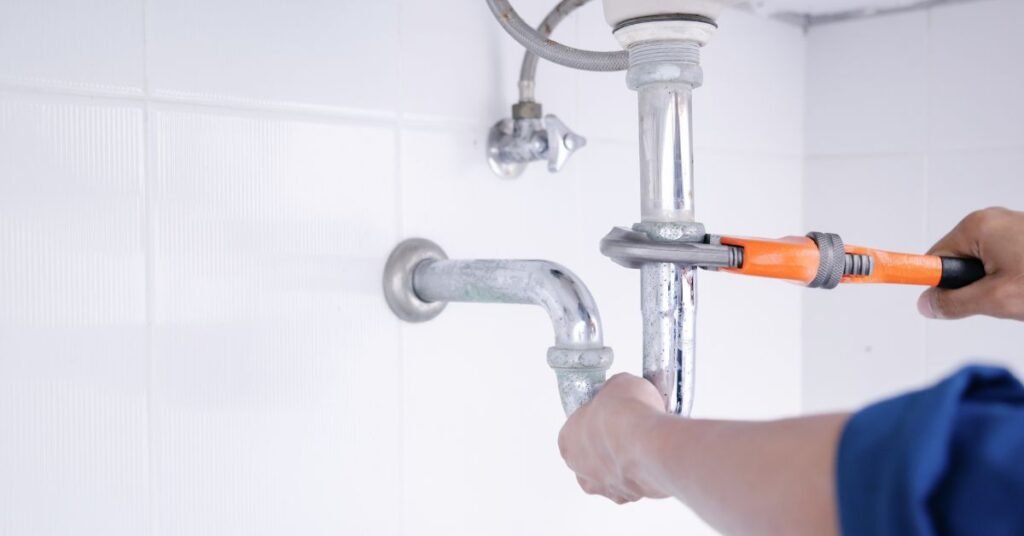
Dealing with a dripping tap or slow drain and unsure if it’s a DIY fix or a call-the-plumber situation? These common plumbing problems are things every homeowner should understand, at least at a basic level.
Not every plumbing issue requires professional help. Many common plumbing problems have simple, safe solutions you can handle yourself, saving both time and money.
In this guide, we’ll walk through the most frequent household plumbing issues, how to identify them, and practical steps to fix or manage them effectively.
1. Dripping or Leaking Taps
A dripping tap might seem minor, but it wastes significant water over time and often signals a simple fix.
- Usually caused by a worn-out washer or rubber seal inside the tap
- Turn off the water supply before attempting any repair
- Replace the washer using basic tools like a wrench and screwdriver
- If dripping continues after washer replacement, the tap body may need replacing
This is one of the most common plumbing problems homeowners face, and it’s often fixable within 30 minutes.
2. Clogged Drains
Slow-draining sinks or showers are another frequent issue, usually caused by buildup rather than serious damage.
- Hair, soap residue, and food particles are the most common culprits
- Use a plunger for simple, immediate clogs
- A mixture of baking soda and vinegar can help clear minor blockages naturally
- For persistent clogs, a plumbing snake can reach deeper obstructions
Regular drain maintenance prevents this from becoming a recurring problem in your home. (Internal link opportunity: link to your “Natural Cleaning Hacks” article here.)
3. Running Toilets
A toilet that keeps running after flushing wastes water continuously and is among the most common plumbing problems reported by homeowners.
- Usually caused by a faulty flapper valve not sealing properly
- Check the fill valve if water keeps rising above the overflow tube
- Adjust or replace the flapper valve, which is an inexpensive fix
- Test after adjustment to ensure the toilet stops running completely
This issue is usually simple to diagnose and fix without professional help.
4. Low Water Pressure
Weak water flow from taps or showers can be frustrating and stems from several possible causes.
- Check if the issue affects one tap or the entire house
- Clean clogged aerators on taps, which often restrict water flow
- Inspect for pipe blockages caused by mineral buildup
- Check with neighbours if it’s a wider water supply issue
Understanding these causes helps you determine whether it’s a common plumbing problems situation you can fix or one requiring professional inspection.
5. Leaking Pipes
Pipe leaks can range from minor drips to significant water damage if left unaddressed.
- Look for damp patches on walls or ceilings as early warning signs
- Use pipe repair tape as a temporary fix for small leaks
- Turn off the main water supply if a leak is severe
- Replace corroded or damaged sections promptly to prevent further damage
Early detection of pipe leaks is crucial, as this is one of the common plumbing problems that can cause serious structural damage if ignored. (Internal link opportunity: link to your “Home Maintenance Checklist” article here.)
6. Water Heater Issues
Problems with water heaters or geysers are especially noticeable during colder months.
- No hot water often indicates a faulty heating element
- Inconsistent temperatures may signal sediment buildup inside the tank
- Strange noises from the unit often indicate mineral deposits
- Regular descaling helps prevent many water heater problems
Routine maintenance significantly reduces the frequency of water heater related common plumbing problems.
7. Sewer Line Blockages
More serious than simple drain clogs, sewer line issues affect multiple fixtures simultaneously.
- Multiple drains backing up at once often indicates a sewer line issue
- Gurgling sounds from drains can be an early warning sign
- Foul odours near drains may indicate blockages further down the line
- This issue typically requires professional plumbing assistance
Recognising these warning signs early helps prevent more extensive and expensive damage.
8. When to Call a Professional Plumber
While many common plumbing problems are DIY-friendly, some situations genuinely need expert help.
- Sewer line blockages or major pipe bursts
- Persistent low water pressure across the entire house
- Water heater electrical or gas-related issues
- Any situation involving significant water damage already occurring
Knowing when to call a professional prevents DIY attempts from turning into bigger, costlier problems.
Frequently Asked Questions
Q1. What are the most common plumbing problems in homes? Dripping taps, clogged drains, running toilets, and low water pressure are among the most frequently reported plumbing issues.
Q2. Can I fix plumbing problems myself without a plumber? Yes, many minor issues like dripping taps and simple clogs can be fixed with basic tools and some patience.
Q3. How do I know if a plumbing problem needs professional help? If the issue involves sewer lines, major leaks, or persistent problems after DIY attempts, it’s best to call a professional plumber.
Q4. Why does my toilet keep running after flushing? This is usually caused by a faulty flapper valve that isn’t sealing properly, allowing water to continuously flow.
Q5. What causes low water pressure in a house? Common causes include clogged aerators, mineral buildup in pipes, or broader water supply issues affecting the entire area.
Q6. How can I prevent common plumbing problems from happening? Regular maintenance, avoiding drain clogs, and addressing minor issues early can prevent most common plumbing problems.
Conclusion
Understanding these common plumbing problems empowers you to handle minor issues confidently while knowing when professional help is genuinely needed. From dripping taps to clogged drains, most everyday plumbing problems have simple, manageable solutions.
Keep basic tools handy, address issues early, and don’t hesitate to call a professional when problems go beyond simple fixes.
