
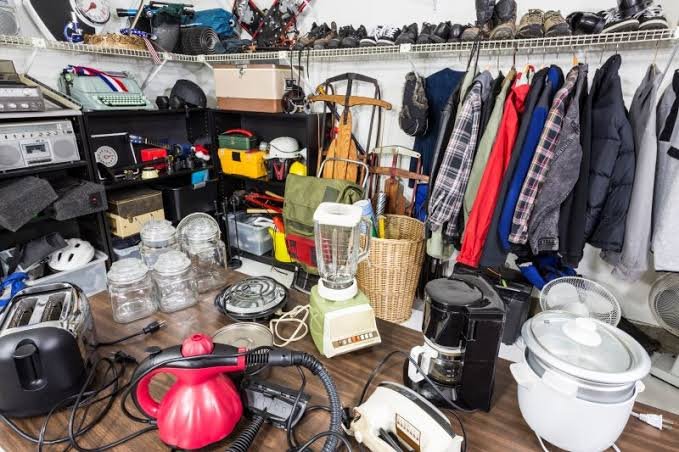
An estate cleanout can be one of the most difficult responsibilities a family faces after a loved one passes away, moves into assisted living, or relocates. Sorting through years of belongings involves more than simply removing unwanted items. It requires careful decisions about what to keep, donate, recycle, sell, or dispose of.
For families managing this process in Arizona, Junk Rescue AZ can help simplify the physical removal side of an estate cleanout. With the right plan, families can reduce stress, protect valuable belongings, and complete the property cleanout more efficiently.
What Is an Estate Cleanout?
An estate cleanout is the process of sorting, removing, and responsibly handling belongings from a property. These properties may include family homes, apartments, rental properties, storage units, or other residences.
The process often involves furniture removal, appliance removal, household junk removal, donation preparation, recycling, and disposal. Depending on the situation, families may also need to coordinate with real estate professionals before putting the property on the market.
An effective cleanout should not begin with throwing everything away. The first priority is determining which items have sentimental, financial, legal, or practical value.
Why Estate Cleanouts Can Be Challenging
Estate cleanouts are often emotionally demanding because ordinary household objects can carry memories and personal meaning. A kitchen appliance may seem insignificant to one person but remind another family member of years spent together.
There are also practical challenges. Homes that have been occupied for decades can contain large quantities of furniture, clothing, paperwork, tools, decorations, electronics, and miscellaneous household items.
Common challenges include:
- Deciding what family members should keep
- Identifying valuable or collectible possessions
- Separating donations from trash
- Handling bulky furniture
- Removing old appliances
- Organizing paperwork and personal records
- Finding appropriate recycling or disposal options
- Preparing the property for sale or rental
- Completing the work within a specific deadline
Trying to handle everything at once can quickly become overwhelming. A structured process makes the work more manageable.
How to Plan an Estate Cleanout
Before moving a single piece of furniture, create a basic plan. This prevents important belongings from being discarded accidentally and helps everyone understand what needs to happen.
1. Establish a Sorting System
Create clearly defined categories for belongings. A simple system can include:
- Keep: Items family members want to retain
- Sell: Valuable items worth listing or consigning
- Donate: Usable belongings that can benefit others
- Recycle: Materials that should be processed rather than discarded
- Dispose: Items that are broken, contaminated, or otherwise unsuitable
Using labels, colored stickers, or separate areas can make sorting easier.
2. Secure Important Documents
Estate cleanouts can uncover financial records, insurance documents, property information, photographs, identification records, and other sensitive materials.
Set aside paperwork before general disposal begins. Important documents should be reviewed by the appropriate family member, executor, attorney, or financial professional before they are destroyed.
Never assume that an old document is worthless simply because it looks outdated.
3. Separate Sentimental Items Early
Family members should identify sentimental belongings before the property is cleared. Photographs, letters, heirlooms, artwork, jewelry, and personal memorabilia may deserve special attention.
Consider allowing relatives to make their selections before scheduling large-scale removal. This reduces the risk of meaningful belongings being mistakenly donated or discarded.
Estate Cleanout and Valuable Belongings
Not everything in an estate should be treated as ordinary household junk. Certain possessions may have resale value, including antiques, collectibles, tools, furniture, artwork, jewelry, and specialty equipment.
If an item appears valuable, avoid rushing to dispose of it. Research the item, document its condition, and consider obtaining a professional appraisal when appropriate.
Photographing valuable belongings can also create a record before they are moved. This can be especially useful when multiple family members are involved in dividing an estate.
The goal is not to maximize the value of every object. It is to make informed decisions while avoiding unnecessary losses.
Donate and Recycle Whenever Practical
Responsible disposal is an important part of an estate cleanout. Many household items may still be useful even when the family no longer needs them.
Furniture in good condition, clothing, kitchenware, books, and other usable goods may be suitable for donation. Certain materials can also be recycled through appropriate local programs.
However, not every item belongs in a donation bin or household recycling container. Damaged furniture, certain electronics, chemicals, paints, batteries, and other potentially hazardous materials may require specialized handling.
When dealing with questionable materials, check local disposal requirements rather than placing them in regular trash.
Prepare for Furniture and Bulky Item Removal
Large items can become one of the biggest obstacles during an estate cleanout. Sofas, mattresses, cabinets, tables, appliances, and other bulky possessions can be difficult to move safely.
Before removing heavy objects, measure doorways and pathways. Clear obstacles from hallways and determine whether stairs, narrow entrances, or other access issues could make removal difficult.
Avoid lifting heavy furniture without enough people or appropriate equipment. Attempting to move oversized items without proper preparation can lead to property damage or personal injury.
Professional junk removal services can be useful when the volume or size of unwanted belongings makes DIY removal impractical.
Create a Room-by-Room Cleanout Checklist
A room-by-room approach can keep the project organized. Instead of jumping between areas, complete one space before moving to another.
A basic checklist might include:
- Remove personal documents and valuables.
- Separate family keepsakes.
- Sort usable items for donation or resale.
- Identify recyclable materials.
- Set aside unwanted furniture and bulky items.
- Clean out cabinets, closets, drawers, and storage areas.
- Sweep and inspect the room before moving on.
Do not forget less obvious spaces. Garages, attics, sheds, basements, closets, patios, and storage areas can contain significant amounts of property.
Avoid Common Estate Cleanout Mistakes
Several mistakes can make an estate cleanout longer, more expensive, or more stressful.
Throwing everything away too quickly: Rushing can result in valuable or sentimental belongings being lost.
Starting without family agreement: Disagreements about possessions can create unnecessary conflict.
Underestimating the volume: A home may contain considerably more material than expected, particularly when belongings have accumulated over many years.
Ignoring difficult items: Appliances, mattresses, heavy furniture, and construction-related debris may require additional planning.
Leaving disposal until the end: A large pile of unwanted belongings can become difficult to manage if removal is not planned from the beginning.
A successful cleanout balances emotional decisions with practical logistics.
When to Hire Estate Cleanout Professionals
DIY cleanouts can work when there are only a few belongings and family members have enough time and transportation. Larger properties, tight deadlines, and significant quantities of junk can make professional assistance more practical.
Professional removal may be worth considering when:
- Multiple rooms need to be cleared
- Large furniture needs to be removed
- Family members live far away
- The property needs to be prepared for sale
- There is limited time to complete the project
- Transportation is unavailable
- Heavy lifting is involved
- The amount of junk exceeds what a household vehicle can handle
Before hiring a company, ask what materials it accepts, how pricing is determined, and how reusable or recyclable items are handled.
Make the Final Property Inspection
After the main removal is complete, conduct one final walkthrough. Check closets, cabinets, drawers, garages, outdoor areas, attics, and other storage locations.
Look for documents, valuables, photographs, tools, keys, and other items that may have been overlooked. Also inspect the property for damage that may need to be addressed before a sale, lease, or handover.
Once everything has been removed, basic cleaning can make the property more presentable and easier to evaluate.
Make Estate Cleanout More Manageable
An estate cleanout does not have to happen in a single day. Breaking the project into stages can make difficult decisions easier and give family members time to process sentimental belongings.
Start with organization, protect important items, and create clear categories for everything else. Then schedule donations, sales, recycling, and junk removal according to the property’s needs.
For families who need help handling the physical removal process, Junk Rescue AZ can provide practical support when clearing unwanted belongings from an estate. A thoughtful plan combined with the right assistance can turn a stressful property cleanout into a more organized and manageable process.