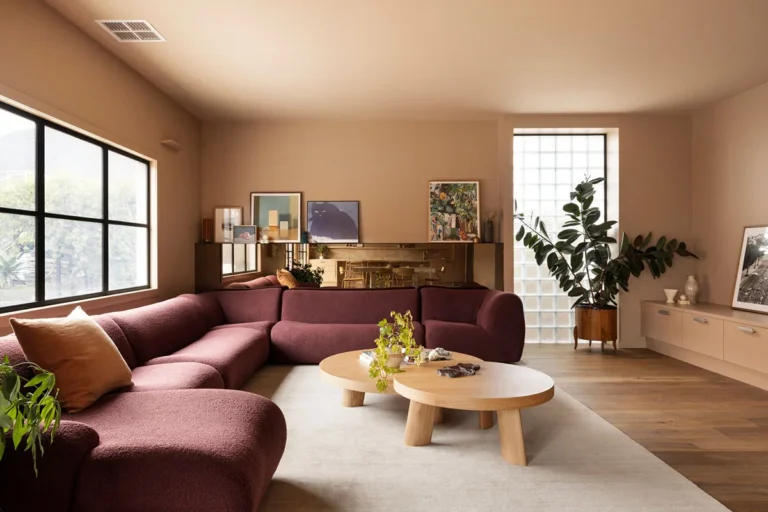
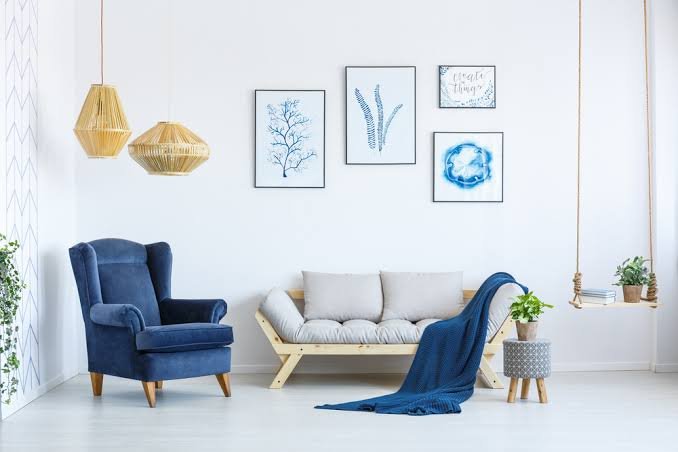
Feeling overwhelmed by clutter and craving a calmer living space? Minimalist home design offers a practical path to a more peaceful, intentional home, without requiring a complete renovation.
Many people associate minimalism with cold, empty rooms, but true minimalist home design is about intentionality, not deprivation. It’s about keeping what genuinely adds value to your life and letting go of the rest.
In this guide, we’ll explore practical ways to embrace minimalist principles in your home, creating a space that feels calm, functional, and genuinely yours.
1. Understand the Core Principles of Minimalism
Before making changes, it helps to understand what minimalist home design actually means in practice.
- Focuses on quality over quantity in furniture and decor choices
- Prioritises functionality alongside simple, clean aesthetics
- Encourages intentional ownership rather than accumulating unnecessary items
- Creates visual calm through uncluttered, open spaces
Understanding these principles helps you approach minimalism as a mindset shift, not just a decorating style.
2. Declutter Before You Decorate
Decluttering is the essential first step before implementing any minimalist home design ideas.
- Go room by room rather than tackling the entire house at once
- Ask whether each item is genuinely used or truly valued
- Donate or sell items that no longer serve a purpose
- Set a regular decluttering schedule to prevent accumulation over time
This foundational step creates the physical and mental space needed for a truly minimalist home. (Internal link opportunity: link to your “Deep Cleaning Checklist” article here.)
3. Choose a Neutral, Cohesive Colour Palette
Colour plays a significant role in creating the calm, uncluttered feel central to minimalist interiors.
- Whites, greys, and soft neutrals create a sense of visual quiet
- Limit your palette to two or three complementary colours per room
- Use texture, rather than pattern, to add visual interest
- Reserve bold colours for small accent pieces rather than large surfaces
A cohesive colour scheme is one of the simplest minimalist home design ideas for achieving a calm, unified look. (Internal link opportunity: link to your “How to Choose Paint Color” article here.)
4. Invest in Multi-Functional Furniture
Minimalist spaces benefit from furniture that serves more than one purpose.
- Choose storage beds or ottomans that reduce the need for extra furniture
- Opt for extendable dining tables that adapt to different needs
- Select modular shelving that can be reconfigured as needs change
- Avoid excessive furniture pieces that crowd a room unnecessarily
Multi-functional furniture supports both minimalist aesthetics and practical, everyday living.
5. Embrace Open, Uncluttered Layouts
Spatial planning is just as important as decor choices in achieving genuine minimalism.
- Leave breathing room between furniture pieces rather than filling every corner
- Avoid overcrowding walls with excessive decor or artwork
- Keep pathways clear and unobstructed throughout the home
- Allow negative space to feel intentional rather than incomplete
This open approach to layout is central to minimalist home design, creating rooms that feel calm rather than empty.
6. Focus on Quality Over Quantity
Minimalism encourages thoughtful purchasing decisions rather than accumulating many low-cost items.
- Invest in fewer, well-made furniture pieces that last longer
- Choose timeless designs over trend-driven purchases
- Consider cost-per-use when evaluating potential purchases
- Repair or restore existing items rather than replacing them unnecessarily
This quality-focused mindset ultimately saves money while supporting a more sustainable, clutter-free lifestyle. (Internal link opportunity: link to your “Budget Home Decor Ideas” article here.)
7. Use Hidden and Smart Storage Solutions
Effective storage keeps everyday items organised without disrupting a minimalist aesthetic.
- Use closed cabinets instead of open shelving for everyday clutter
- Install under-bed storage for seasonal items
- Choose furniture with built-in drawers or compartments
- Keep frequently used items easily accessible but visually tucked away
Smart storage solutions are essential minimalist home design tools for maintaining a clean, organised appearance.
8. Maintain Minimalism as an Ongoing Practice
Minimalism isn’t a one-time project but an ongoing lifestyle approach.
- Practice mindful purchasing by pausing before buying new items
- Regularly reassess belongings to prevent gradual clutter accumulation
- Involve the whole household in maintaining minimalist habits
- Celebrate the calm and clarity minimalism brings, reinforcing the habit
Treating minimalism as an ongoing practice ensures your minimalist home design efforts remain sustainable long-term. (Internal link opportunity: link to your “Seasonal Home Maintenance Checklist” article here.)
Frequently Asked Questions
Q1. What is minimalist home design? Minimalist home design focuses on simplicity, functionality, and intentional ownership, creating calm, uncluttered living spaces.
Q2. Does minimalist design mean having very little furniture? Not necessarily. It means choosing furniture thoughtfully, prioritising quality and function over sheer quantity.
Q3. How do I start decluttering for a minimalist home? Begin room by room, evaluating whether each item is genuinely used or valued, and donate or remove what isn’t.
Q4. Can a minimalist home still feel warm and inviting? Yes, using natural textures, warm neutrals, and thoughtfully chosen decor keeps minimalist spaces cosy rather than cold.
Q5. Is minimalist home design expensive to achieve? Not necessarily. Minimalism often reduces spending by focusing on fewer, well-chosen items rather than constant purchasing.
Q6. How do I maintain a minimalist home long-term? Regular decluttering, mindful purchasing habits, and involving your whole household help sustain minimalist living over time.
Conclusion
Embracing minimalist home design is less about strict rules and more about creating a home that genuinely supports a calmer, more intentional life. From decluttering and neutral palettes to multi-functional furniture and smart storage, each step brings you closer to a clutter-free space.
Start with one room today, apply these minimalist principles, and experience firsthand how a simplified space can bring lasting peace to your daily life.