Clean, reliable water makes everyday life easier, but getting the right water quality isn’t always as simple as turning on the tap. A home might struggle with mineral buildup, an unpleasant taste, or stains around sinks and tubs. A business may face more expensive problems when scale affects equipment or water quality interferes with daily operations. Often, the solution begins with understanding the water itself and continues long after a treatment system has been installed.
Water treatment works best as an ongoing process rather than a one-time purchase. Testing identifies potential concerns, proper installation helps equipment perform as intended, and regular servicing keeps everything working efficiently. When these pieces come together, property owners can make informed decisions instead of spending money on solutions that don’t address the real issue.
Start by Understanding What’s in Your Water
Water can look perfectly clear and still contain minerals or other substances that affect its quality. Hardness, iron, sediment, and certain dissolved contaminants may not always be visible in a glass. That’s why appearance alone isn’t a dependable way to judge whether water needs treatment.
For homeowners using municipal water, the local water supplier’s quality report can provide useful information about the source and treatment process. However, water may also pick up minerals or metals as it travels through a property’s plumbing. Private well owners have a different responsibility because their water quality depends on local groundwater conditions and the well itself.
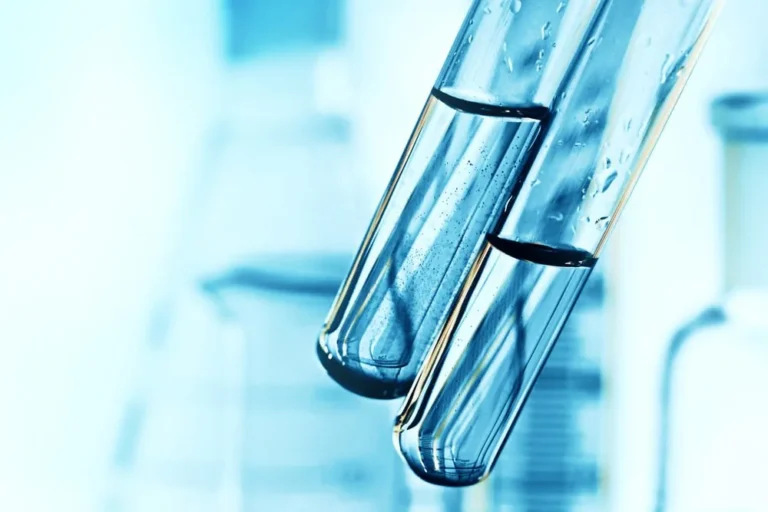
This is where water testing & analysis becomes an important first step. A suitable test can identify hardness levels, reveal certain water quality concerns, and help determine which treatment methods may be appropriate. Depending on the water source and the reason for testing, additional laboratory analysis may be needed for specific contaminants.
It’s worth remembering that no single test covers every possible concern. The right testing plan depends on where the water comes from, how it’s used, and whether there have been changes in taste, odor, appearance, or plumbing conditions.
For example, a homeowner dealing with white deposits on faucets may benefit from a hardness test. Someone concerned about a private well may need testing for bacteria, nitrate, and other contaminants based on local guidance. Different problems call for different answers, and testing helps establish a sensible starting point.
Choosing Treatment That Matches the Problem
Once test results are available, the next step is selecting the right equipment. This sounds straightforward, but water treatment systems aren’t interchangeable. Each technology is designed to address particular conditions, and the best choice depends on the results rather than a general promise that a product will make water better.
Water softeners reduce hardness minerals, helping limit scale buildup in plumbing and water-using appliances. Sediment filters capture suspended particles, while activated carbon filters can improve taste and odor by reducing certain substances. Reverse osmosis systems can reduce various dissolved contaminants when the equipment is properly selected and maintained.
Some properties may need more than one treatment method. A well with both sediment and hardness issues, for instance, might benefit from a combination of filtration and softening. The order of the equipment can matter, too, because pretreatment may protect other components from premature wear.
Before purchasing a system, ask what it is designed to remove or reduce and whether its performance has been independently certified for those claims. A product that works well for one water quality issue may have little effect on another.
Why Professional Installation Matters
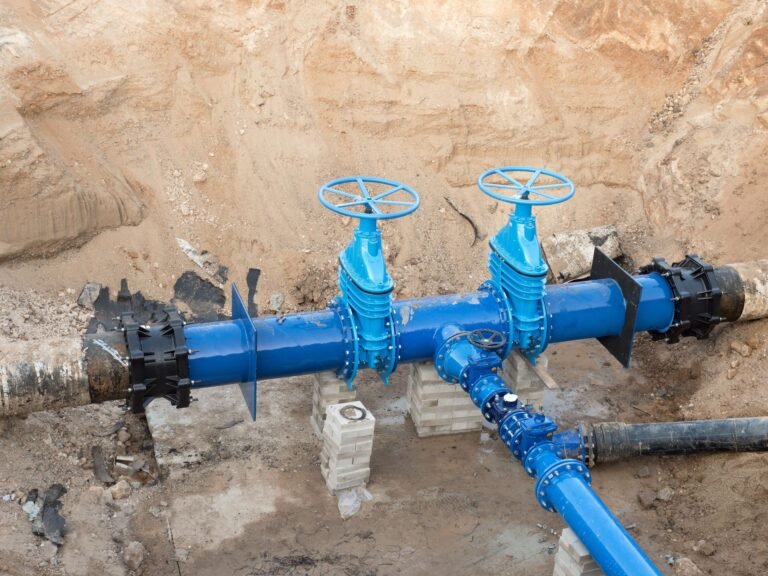
Even high-quality equipment can disappoint when it’s installed incorrectly. Connections must be secure, flow rates need to match the system’s specifications, and the equipment must be positioned where it can be accessed for routine maintenance. In some cases, drainage, electrical connections, or adjustments to existing plumbing may also be necessary.
Professional system installation helps ensure that the equipment is suited to the property and connected according to manufacturer requirements. An experienced installer can assess available space, review water usage, and explain how the system should operate once it’s running.
Sizing deserves particular attention. A system that’s too small may struggle during periods of heavy water use, while oversized equipment may add unnecessary expense. Household size, peak demand, water hardness, and the number of fixtures can all influence the recommendation.
After installation, ask for a clear walkthrough. You should know how to operate the system, which warning signs to watch for, and when filters or other components need replacement. If the system uses salt, find out how to check the level and what type the manufacturer recommends.
A good installation should leave you feeling informed, not confused about what has just been connected to your plumbing.
Keeping Water Treatment Equipment in Good Condition
Treatment systems need regular attention to remain effective. Filters have a limited service life, softeners may require adjustments or cleaning, and reverse osmosis membranes eventually need replacement. The exact schedule varies by equipment, water quality, and how much water passes through the system.
Routine system repairs & maintenance can help catch small problems before they become expensive disruptions. A loose connection, worn seal, clogged filter, or malfunctioning control valve may affect performance even when the equipment still appears to be operating normally.
Some warning signs are easy to recognize. Water pressure may decrease, mineral deposits may return, or the taste and smell of treated water may change. A softener might use salt differently than expected, or a filter housing may develop a leak. These symptoms don’t always indicate a major failure, but they deserve attention.
It’s also important not to replace components based solely on guesswork. Follow the manufacturer’s recommendations and consider water usage and the quality of the incoming supply. In some situations, testing the water again can help determine whether the equipment needs service or the source water has changed.
Keeping a simple maintenance record can make this process easier. Write down installation dates, filter changes, service visits, and any unusual performance issues. This information gives a technician a clearer picture of the system’s history and helps you plan future expenses.
Water Treatment for Homes and Businesses
Residential and commercial properties often have different treatment priorities. In a home, the main concerns may be drinking water quality, scale on fixtures, laundry, and protecting appliances. A business may need to manage higher water demand or meet specific requirements for food preparation, equipment operation, or production.
Restaurants, for example, can experience problems when mineral deposits affect coffee machines, dishwashers, and other water-dependent equipment. Offices may want to improve drinking water quality for employees, while commercial facilities might require specialized filtration for their processes.
A suitable system should be selected according to the water’s intended use. Businesses should also consider peak demand, operating hours, and the potential cost of downtime if equipment stops working. Preventive servicing can be especially valuable when a water problem could interrupt normal operations.
For both homes and businesses, the goal is the same: use reliable information to choose an appropriate solution, then maintain it properly.
Questions Worth Asking Before You Commit
Before choosing a treatment provider, take time to compare more than the initial price. Ask whether the company can explain the water test results in plain language and show how its recommendation addresses the identified concern.
Find out what’s included in the quote. Does it cover installation, startup testing, and an explanation of the controls? Are replacement filters readily available? What are the expected maintenance costs, and who can help if the system develops a fault?
It’s sensible to ask about warranties and service availability, too. The cheapest system may not offer the best value if replacement parts are difficult to obtain or regular maintenance is expensive. On the other hand, the most complicated system isn’t automatically the best choice.
Be wary of claims that promise to remove every contaminant or guarantee perfect water under all conditions. Effective treatment depends on the incoming water, the equipment’s capabilities, and proper upkeep. Clear explanations and realistic expectations are signs of a more responsible approach.
Better Water Is an Ongoing Commitment
Water quality can affect comfort, plumbing, equipment, and confidence in the water you use every day. Fortunately, improving it doesn’t have to involve guesswork or unnecessary purchases.
Begin with appropriate testing, select equipment designed for your specific needs, and make sure installation is handled correctly. From there, consistent maintenance helps protect your investment and gives you a better chance of catching problems early.
The best water treatment plan isn’t necessarily the largest or most expensive one. It’s the one that addresses the actual water quality concerns, fits your property, and can be maintained without unnecessary hassle. With the right information and a little ongoing attention, better water becomes less of a mystery and more of a dependable part of everyday life.