Most of us expect water to be there whenever we need it. Turn on the kitchen tap, fill a kettle, take a shower, and get on with the day. It’s such an ordinary part of life that the plumbing behind it rarely gets much attention. That changes quickly when the water pressure drops, a damp patch appears on the wall, or an unpleasant smell starts coming from a drain.
Plumbing systems work quietly in the background, but they do a lot of heavy lifting. They bring clean water into the property, carry wastewater away, and help keep kitchens, bathrooms, and laundry areas usable. Understanding a few common plumbing problems can help homeowners recognize warning signs, make better repair decisions, and avoid unnecessary damage.
The Water Supply System Deserves More Attention
Fresh water reaches your home through a network of pipes, valves, and connections. These components must remain in good condition to deliver water reliably to sinks, showers, toilets, washing machines, and other fixtures. A fault in one section can affect several areas of the property, depending on where the problem occurs.
Low water pressure is one of the first things people notice. Sometimes the cause is simple, such as a clogged faucet aerator or a partially closed valve. In other cases, the issue may involve a hidden leak, mineral buildup, a failing pressure regulator, or a problem with the incoming supply.
Pay attention to changes rather than assuming they’re normal. If the pressure drops suddenly throughout the house, or if you hear water running when every fixture is turned off, it’s worth investigating. A small leak inside a wall or beneath a floor may not create an obvious puddle, but it can still damage building materials over time.
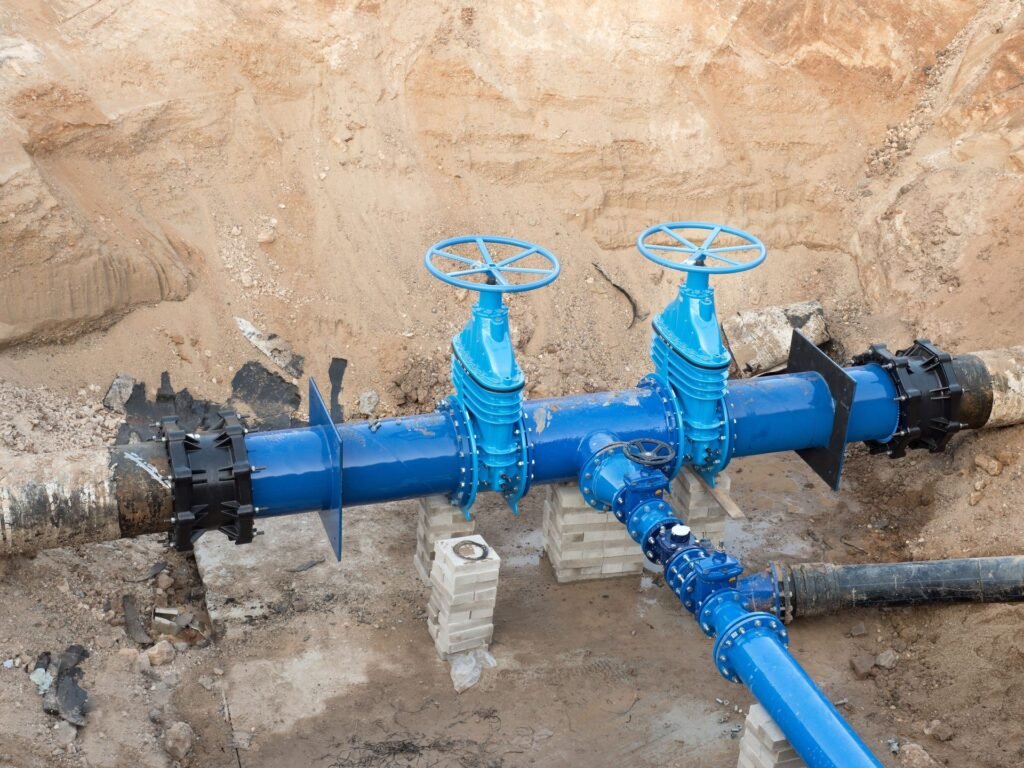
Professional water line installations & repairs can address problems ranging from damaged supply pipes to new connections required during a renovation. The right approach depends on the pipe material, the location of the fault, local building requirements, and the overall condition of the system. A qualified plumber can assess these factors and explain whether a targeted repair or a more extensive replacement is appropriate.
Drainage Problems Often Begin With Small Clues
Drains are easy to take for granted until they stop working properly. A sink that empties slowly, a gurgling sound from the shower, or a recurring blockage may seem like a minor nuisance. Sometimes it is. Hair, soap residue, food particles, and grease can collect inside drainpipes and restrict the flow of wastewater.
Simple habits can reduce the likelihood of these problems. Use drain covers where hair tends to collect, avoid washing cooking grease down the sink, and keep unsuitable items out of toilets. These measures won’t prevent every blockage, but they can help reduce avoidable clogs.
When a drain keeps blocking despite repeated cleaning, the cause may be deeper in the system. A damaged pipe, root intrusion, a buildup of debris, or an issue with the drain’s slope can all interfere with wastewater flow. Repeatedly clearing the same obstruction without finding its source may only provide temporary relief.
A plumber can inspect the affected section and determine the most suitable method of repair. Depending on the circumstances, that may involve mechanical cleaning, specialist inspection equipment, or work on a damaged section of pipe. The goal is not merely to get the water moving again, but to address the reason it stopped in the first place.
Why Sewer Line Problems Shouldn’t Be Ignored
The sewer line carries wastewater away from the property, making it an essential part of a healthy plumbing system. Because much of the pipework is underground, damage can develop without being immediately visible. Homeowners may first notice recurring drain backups, unpleasant odors, wet patches in the yard, or unusual changes around the area where the line runs.
These signs don’t automatically mean the sewer pipe has failed. A blockage elsewhere in the drainage system can create similar symptoms. Still, repeated backups or several fixtures draining poorly at the same time deserve professional attention, particularly if the problem keeps returning.
Reliable sewer line services may include inspection, blockage removal, repairs, or replacement when a pipe is too damaged to function properly. The appropriate solution depends on the condition of the line and the nature of the fault. In some cases, a limited repair is sufficient. In others, a more extensive project may be necessary to restore dependable drainage.
Avoid opening a sewer line or attempting to handle wastewater without the proper equipment and training. Sewage can contain harmful microorganisms, and working around underground pipes may involve additional hazards. If wastewater is backing into a home, keep people away from the affected area and contact a qualified professional promptly.
Knowing When Pipe Replacement Makes Sense
Older homes sometimes have plumbing systems that have been repaired many times over the years. One section may be relatively new, while another contains aging pipework that has become corroded, brittle, or prone to leaks. A single repair may solve the immediate problem, but repeated failures can suggest that the system needs a broader assessment.
This is where repiping may be worth considering. The process involves replacing some or all of a property’s existing water supply pipes with suitable new materials. It can be a significant project, particularly if pipes run behind finished walls, beneath floors, or through hard-to-access areas.
Repiping isn’t necessary every time a pipe leaks. The decision should be based on evidence, including the age and material of the existing pipes, the frequency of failures, water quality concerns, and the cost of ongoing repairs. Ask the plumber to explain which sections are affected and why replacement may offer better long-term value than continuing to patch the system.
If repiping is recommended, discuss the proposed materials, access requirements, expected timeline, and restoration work before the project begins. A clear plan helps you understand how much of the home may be affected and what to expect while the work is underway.
Preparing for Plumbing Repairs Before They Begin
Plumbing work is often less stressful when the practical details are discussed early. Before approving a larger job, request a written estimate that outlines labor, materials, and the main tasks involved. Ask whether the quoted price includes cleanup, permits where required, and repairs to surfaces that may need to be opened for access.
It’s also sensible to ask how the work will affect your daily routine. Will the water need to be shut off for several hours? Can the bathroom or kitchen remain usable? Are there any steps you should take before the plumber arrives? These questions may seem small, but they can make a real difference when a project affects the busiest parts of your home.
Choose a qualified professional who explains the problem clearly and is willing to discuss reasonable options. A good plumber should not pressure you into a major replacement without explaining the evidence behind the recommendation. Keep invoices, warranties, and records of completed work so future maintenance is easier to plan.
Building Better Habits for Long-Term Reliability
A dependable plumbing system doesn’t require constant attention, but it does benefit from occasional checks. Look beneath sinks, watch for unexplained dampness, and pay attention to changes in water pressure or drainage. Learn where the main shutoff valve is located so you can act quickly if a serious leak occurs.
No plumbing system lasts forever, and even well-maintained pipes can eventually need repairs. The key is responding to warning signs before they turn into a much larger disruption. By understanding the difference between a minor blockage, a supply-line fault, and a possible sewer problem, homeowners can make more informed decisions.
Good plumbing is about more than water flowing from a tap. It protects the structure of your home, supports everyday comfort, and helps prevent avoidable waste. With sensible maintenance and timely professional care, you can keep the system working reliably—and spend less time worrying about what might be happening behind the walls.